Jul. 08, 2026
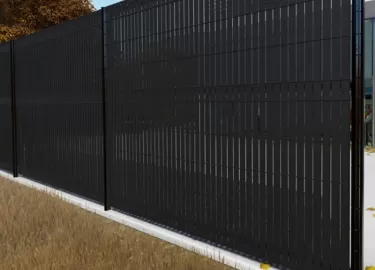
 In the world of agriculture, protecting crops from various threats while ensuring efficient land use is paramount. 3D mesh fence panels serve as a versatile solution that enhances security, visual appeal, and durability. These panels not only provide physical barriers but also cater to various agricultural applications, making them popular among farmers. This article explores the significant benefits and applications of 3D mesh fences in agriculture, highlighting how they address user pain points through enhanced animal control, crop protection, and overall property security.
The presence of wild animals and livestock can pose significant challenges to agricultural practices. Effective fencing solutions are necessary to mitigate these issues.
3D mesh fence panels act as formidable barriers that deter wild animals from entering farmlands. Their unique design and height prevent climbing and burrowing, providing a reliable solution for protecting crops.
Farmers can use 3D mesh fences to confine livestock, ensuring they remain safe and within designated grazing areas. This prevents overgrazing and maintains pasture health, promoting sustainable farming practices.
Crop damage can result in considerable financial losses for farmers. 3D mesh fences offer a robust solution to keep crops secure.
Integrating 3D mesh fences with other protective measures can significantly reduce pest infestations. The design of the panels minimizes entry points for small pests that might otherwise damage crops.
3D mesh fences are built to withstand various weather conditions, ensuring they maintain their integrity over time. This durability helps in safeguarding crops from unwanted damage caused by external environmental factors.
Security is crucial in agriculture as it prevents theft and vandalism of equipment and produce.
By using 3D mesh fencing, farmers can reduce the risk of theft and damage to their properties. The visibility of the panels can act as a deterrent to potential intruders.
3D mesh fence panels make it easy to delineate property lines. This clear demarcation helps avoid boundary disputes and ensures proper utilization of land.
3D mesh fences are adaptable and suitable for various agricultural setups, from small farms to large estates.
In addition to traditional farmland, these fences can effectively surround greenhouses and gardens to protect sensitive plants from external threats.
3D mesh panels provide an ideal barrier for orchards and vineyards, preventing animal intrusion while still allowing air circulation and sunlight exposure.
Investing in quality fencing can result in significant long-term savings for agricultural enterprises.
Compared to traditional fencing materials, 3D mesh panels require minimal maintenance, offering farmers peace of mind and fewer costs over time.
By protecting crops more effectively, farmers can enhance their yield and overall profitability. Better yields can directly correlate with the implementation of secure fencing solutions.
Using sustainable materials in the production of 3D mesh fences can align agricultural practices with eco-friendly goals.
Many 3D mesh panels are made from recycled materials and are designed to be environmentally friendly, contributing to sustainable farming initiatives.
An effective fencing solution limits the need for chemical repellents and pesticides, promoting a healthier ecosystem and reducing environmental impact.
3D mesh fence panels represent an innovative and efficient solution for the array of challenges faced by the agricultural industry. By enhancing animal control, protecting crops, improving overall security, and offering cost-effective long-term benefits, these fences have become indispensable for farmers worldwide. As agricultural practices continue to evolve, the adoption of 3D mesh fences will play a crucial role in ensuring stable and sustainable food production. Explore your options with BONKFC and invest in your agricultural success today.