Jul. 28, 2026
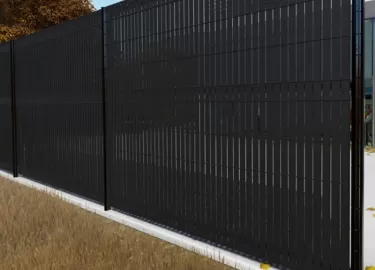
 When it comes to installing a 3D mesh fence system, choosing the right fence post options can significantly impact the overall durability, stability, and aesthetic appeal. Many users face challenges in selecting the appropriate posts that suit their specific needs, such as environmental conditions and intended use. In this article, we will explore various fence post options that cater to diverse preferences, ensuring your 3D mesh fence system is both effective and visually appealing. By understanding the available materials and designs, you can make an informed decision that minimizes installation woes and enhances functionality.
Galvanized steel posts are recognized for their rust resistance and longevity. With a protective zinc coating, these posts withstand harsh weather conditions and maintain structural integrity over time.
Aluminum posts offer lightweight and corrosion-resistant characteristics. They are ideal for situations where lighter weight and stylish design are required. Aluminum is also recyclable, making it an environmentally friendly choice.
Concrete posts provide exceptional strength and stability. They require more labor to install but ensure that the fence remains securely in place, especially in windy areas.
Wooden posts, while aesthetically pleasing, may require more maintenance due to susceptibility to rot and pests. They can be treated for extra durability, but they may not last as long as other materials.
Consider the lifespan of the post material in relation to the expected environmental challenges, like moisture, temperature fluctuations, and exposure to wind.
Evaluate the labor intensity and time required for the installation of each type of post, as some materials demand specialized tools or expertise.
Look into the price of the posts, considering both the initial investment and long-term maintenance costs. Galvanized and aluminum posts may have a higher upfront cost but can save money over time.
The visual aspect of your fence can be as crucial as its functionality. Analyze how each post type complements the design of your 3D mesh fence.
| Material | Durability | Cost | Maintenance | Aesthetic |
|---|---|---|---|---|
| Galvanized Steel | High | Medium | Low | Modern |
| Aluminum | High | High | Low | Sleek |
| Concrete | Very High | Medium | Low | Industrial |
| Wood | Medium | Low | High | Natural |
Start by accurately measuring the length of the perimeter where you plan to install the fence. Ensure you account for corners and gates.
Generally, the spaces between posts should be between 6 to 8 feet depending on the material and design of your fence.
Use a post-hole digger or auger to create holes deep enough to ensure stability. A depth of 1/3 of the post height is standard.
Place posts into holes, ensuring they are level. Fill in with concrete for stability, and allow it to set as per the manufacturer’s instructions.
Attach the 3D mesh panels to the posts according to the design layout. Verify that everything is aligned properly.
Inspect the installation, making any necessary adjustments. Add a protective coating or sealing if using wood posts.
Choosing the right fence post options for your 3D mesh fence system impacts not only the aesthetics of your property but also its safety and longevity. By considering the various materials available, along with their respective benefits and drawbacks, you can make a well-informed choice that suits your specific requirements. Whether you opt for aluminum's sleek look, the robustness of concrete, or the classic appeal of wood, investing the time to understand your options pays off in the end. To learn more about our solutions and see how BONKFC can elevate your fencing project, visit our website for detailed product listings.