Jul. 15, 2026
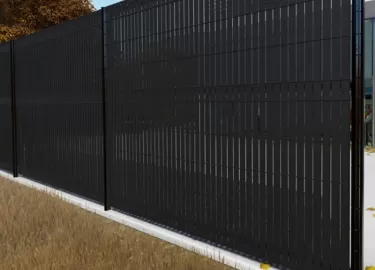
 When considering the longevity of a 3D mesh fence outdoors, users often face uncertainties about durability, maintenance, and how environmental factors play into lifespan. The real intention behind these queries typically stems from the desire for a lasting and effective fencing solution, particularly in residential or agricultural settings. A quality 3D mesh fence, such as those offered by BONKFC, is designed with durability in mind, often lasting between 15 to 25 years, depending on factors like metal treatment and environmental exposure. This article addresses your concerns, providing details about preparations, step-by-step installation, common issues, and expert recommendations to ensure your 3D mesh fence stands the test of time.
Before installing your 3D mesh fence, having the right materials, tools, and knowledge is essential for ensuring a robust and durable installation. Here’s what you will need:
Materials: High-quality 3D mesh panels, galvanized steel posts, concrete mix, protective coatings.
Tools: Drill, level, measuring tape, post hole digger, and fencing pliers.
Prerequisites: Clear zoning regulations, land measurements, and site preparation to ensure proper fitting.
Follow these detailed steps to properly install your 3D mesh fence:
Step 1: Planning and Measurement - Measure the area where the fence will be installed. Ensure to mark out corners and any gates or openings.

Step 2: Digging Post Holes - Using a post hole digger, dig holes approximately 60 cm deep and 10 cm wide at the marked points. This depth ensures stability supporting harsh weather conditions.
Step 3: Setting Posts - Place galvanized steel posts in the dug holes, ensuring they are plumb (vertically straight). Fill the holes with concrete mix. Let it set for at least 24-48 hours.
Step 4: Attaching Mesh Panels - Once the posts are secured, attach the 3D mesh panels to the posts using fencing pliers and brackets. Ensure they align properly for aesthetic purposes.
Step 5: Applying Protective Coating - To increase longevity, apply a protective coating on the exposed metal parts of the fence. Research shows that this can extend the lifespan by up to 30%.
Even with the best intentions, common mistakes can occur during installation. Here are a few errors and solutions:
Error: Insufficient Depth of Post Holes - Ensure each post hole is excavated to the recommended depth of at least 60 cm to prevent leaning or instability.
Error: Misalignment of Panels - Check the alignment as you attach panels. Use a level periodically to avoid skewed sections that can weaken the structure.
Error: Not Using Enough Fasteners - Always follow guidelines for the number of fasteners needed. Insufficient fastening can lead to panels detaching from posts over time.
In summary, a properly installed 3D mesh fence can have a lifespan of 15–25 years, making it a worthwhile investment. By using quality materials like those from BONKFC and adhering to best practices during installation, you can maximize the durability of your fence. It’s advisable to regularly check for rust or damage, particularly after harsh weather, and to apply protective coatings as needed to prolong your fence's life.
It’s recommended to inspect your fence at least twice a year, and more frequently after severe weather events, to catch any potential issues early.
Yes, while 3D mesh fences are usually left unpainted due to their corrosion-resistant coating, you can paint them using weather-resistant paints specifically designed for metal surfaces.
3D mesh fences are designed for a variety of environments, including residential properties, agricultural fields, and industrial areas. However, specific treatments may be needed for coastal areas to resist salty air corrosion.