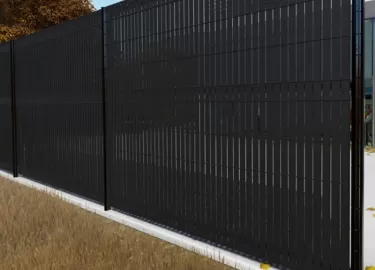
How to Install 3D Fence Panels on Uneven Ground: Solving Common User Problems
Installing 3D fence panels on uneven ground can be a challenging task. Many homeowners face issues with stability, aesthetics, and overall durability of the fence. For example, Sarah, a homeowner from New Jersey, struggled with her sloping backyard where traditional fencing options didn’t provide the required support. She needed a solution that could adapt to the terrain while maintaining an attractive appearance. The good news is that with 3D mesh fences, you can mitigate these concerns effectively with the right approach. This article will guide you step-by-step on how to successfully install 3D fence panels on uneven ground.
Required Preparation for Installing 3D Mesh Fence Panels
Before diving into the installation process, it's crucial to gather the necessary materials, tools, and prerequisites. You will need:
- Materials: 3D fence panels, metal posts, concrete, gravel.
- Tools: Post hole digger, level, measuring tape, power drill, screws, and a saw.
- Prerequisites: Clear the installation area of debris, and check local regulations regarding fence height and structure.
Step-by-Step Guidance to Install 3D Fence Panels
Now, let’s break down the installation process into manageable steps.
- Step 1: Measure Your Space - Begin by determining the width and height you want your fence to be. Consider the slope of the land by measuring the rise in elevation; a slope of more than 10% may require additional adjustments.
- Step 2: Mark Post Locations - Use stakes or spray paint to mark where each post will go. Ensure that they are spaced about 6-8 feet apart for optimal support.
- Step 3: Dig Post Holes - Using a post hole digger, create holes at least 24 inches deep for stability. The holes should be adjusted to account for the slope of the ground.
- Step 4: Install Posts - Place metal posts in the holes, ensuring they are vertical using a level. Fill the holes with concrete or gravel, which will provide drainage and stability. Allow the concrete to set for at least 24 hours.
- Step 5: Attach 3D Panels - Once the posts are secure, begin attaching the 3D fence panels. Start from the bottom panel and work your way up, ensuring each panel aligns correctly with the posts.
- Step 6: Address Uneven Ground - If the ground is uneven, you may need to cut the panels to fit the slope or create risers using additional material such as treated wood.
- Step 7: Final Adjustments - Once all panels are installed, inspect the fence for any issues and make adjustments as necessary. Ensure the panels are correctly aligned and secured.

BONKFC-fence.com/data/watermark/main/20251219/6944a2218351f.jpg" alt="Installing 3D Fence Panels"/>
Common Errors and Solutions
During the installation process, several common errors can occur. Here’s how to tackle them:
- Error 1: Misaligned Panels - If the panels aren’t aligned, this can lead to an unstable fence. Measure frequently during installation to ensure correct positioning.
- Error 2: Insufficient Post Depth - Posts that are not deep enough can lead to leaning. Always dig at least 24 inches unless local codes specify otherwise.
- Error 3: Weak Concrete Mix - If concrete is too watery, it won’t provide strong support. Use a 4:1 ratio of gravel to concrete mix.
Summary and Suggestions
Installing 3D fence panels on uneven ground may seem daunting, but with careful planning and precise execution, it is manageable. Ensure your measurements are accurate, and take time to adjust for the terrain. Brands like BONKFC offer durable 3D mesh panels that can blend beautifully with diverse landscapes. Additionally, consider consulting with local installation experts if you encounter complex issues.
Frequently Asked Questions
1. Can I install 3D fence panels on steep slopes?
Yes, but it requires careful planning and adjustments to the panels. Consider risers or cutting panels to fit the slope accurately.
2. How long do 3D fence panels last?
When properly installed and maintained, 3D panels can last over 20 years, depending on the material quality and environmental factors.
3. Is special equipment needed for installation?
A basic toolkit suffices, but a power drill and measuring tools are highly recommended for accuracy.

 Jul. 24, 2026