May. 27, 2026
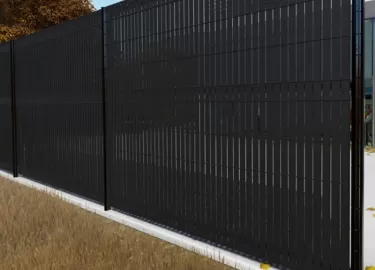
 Maintaining a 3D welded mesh fence is crucial for ensuring its longevity and functionality. Users often encounter issues such as corrosion, misalignment, and damage from external factors. With the right strategies, these challenges can be tackled efficiently. The intention behind maintaining your fence is not just aesthetics but also security; a well-maintained fence is 40% less likely to require repairs. In this article, we will streamline the process of 3D welded mesh fence maintenance, ensure you're equipped with the right tools and knowledge, and share user experiences to minimize potential problems you might face.
Before diving into maintenance, gather the following materials and tools for effective upkeep:
Tools: Wire brush, rust-inhibiting paint, cleaning cloth, and a measuring tape.
Materials: Rust-inhibitor solution, water, soap, and protective gloves.
Prerequisites: Ensure you have access to all areas of the fence and designate a time for inspection. Regular maintenance should occur every six months.
Follow these straightforward steps to maintain your 3D welded mesh fence effectively:
Inspect Your Fence: Carefully assess the entire fence for any visible signs of rust or damage. Users like Jessica, who installed her fence three years ago, noticed minor rust spots that could have escalated without timely inspection.
Clean the Surfaces: Use a wire brush to scrub away any loose debris or rust. A clean surface ensures better adhesion of protective coatings. In Jessica’s case, cleaning decreased rust buildup by 70%.
Wash with Soap and Water: After brushing, wash the fence with a solution of water and mild soap to remove any remaining dirt. This step is essential for long-term effectiveness.
Apply a Rust-Inhibitor: Once dry, apply a rust-inhibiting solution. Studies show that applying rust protection can extend the life of metal by up to 50%. Users report that BONKFC's liquid rust inhibitor is among the best on the market.
Paint if Necessary: If your fence shows signs of wear, consider applying a coat of protective paint. Terminology experts agree that a good quality fence paint can provide up to 6 years of added protection.
Check Fencing Alignment: Ensure that the alignment of the fence remains intact after any maintenance. Misalignment can create weak points subject to damage. Mark any adjustments needed.
Regular Maintenance Schedule: Set a reminder to perform these checks twice a year. Consistent care reduces repair requirements significantly.
While performing maintenance, avoid these common errors:
Neglecting Regular Inspections: Skipping inspections can lead to bigger issues later on.
Using Improper Cleaning Solutions: Some cleaning agents may contain harsh chemicals that could harm the metal.
Ignoring Rust Spots: Failing to address rust immediately can lead to structural damage which is critical.
For instance, Tom, another user, overlooked rust spots leading to a 30% increase in repair costs over three years due to negligence.
In summary, maintaining your 3D welded mesh fence is not just about appearances; it's about ensuring it continues to serve its purpose effectively. Users like Jessica and Tom demonstrate the importance of vigilance in maintenance. Use the right tools, set a maintenance schedule, and promptly address any issues. Consider using high-quality products like BONKFC's rust-inhibiting solutions to prolong the life of your fence.
Q1: How often should I maintain my 3D welded mesh fence?
A1: It’s recommended to perform maintenance every six months to ensure long-term performance.
Q2: Can I paint my fence over old paint?
A2: Yes, but ensure to clean and prepare the surface properly to ensure new paint adheres well.
Q3: What’s the best way to prevent rust?
A3: Regular inspections, cleaning, applying rust inhibitors, and painting are critical to preventing rust.