Jun. 16, 2026
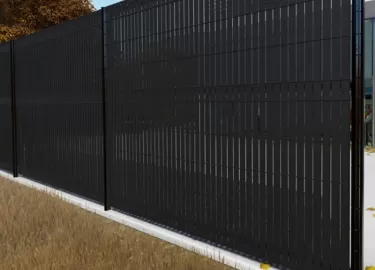
 V-bending is a manufacturing process that creates a V-shaped bend in materials, enhancing their structural integrity. This process is used extensively in the creation of 3D mesh fences for a more durable and stable installation.
The introduction of V-bending technology in your 3D mesh fence designs helps distribute pressure evenly across the materials, increasing overall strength and resistance to external loads.
Before beginning the V-bending process, ensure you have the following tools:
Cut the 3D mesh material to the required dimensions and inspect for any defects. Properly preparing your material ensures consistent results in the bending process.
Adjust your bending machine to the appropriate settings based on the thickness and type of material used. Consult the machine's manual for specific adjustments related to V-bending.
Place the 3D mesh material into the bending machine, ensuring it is securely positioned for accuracy. Double-check that it is aligned according to the preset measurements.
Start the bending machine to initiate the process. Monitor closely to ensure that the bend is forming correctly, applying gradual pressure to avoid damaging the mesh.
Once the bending process is complete, remove the 3D mesh fence from the machine and inspect the bends. Ensure that the angles are uniform and meet the required specifications.
While implementing V-bending in 3D mesh fences, here are some pitfalls to watch out for:
V-bending enhances the ability of your 3D mesh fence to withstand high loads and dynamic forces without compromising its integrity.
V-bending allows for more intricate designs that are not only stronger but also visually appealing, making your 3D mesh fence an attractive choice.
Incorporating V-bending technology in the production of 3D mesh fences significantly improves their strength and durability. With detailed steps on how to implement this technology effectively, you can enhance your fence offerings. Choose BONKFC for high-quality 3D mesh fences that leverage the latest advancements in construction technology. For more information, visit BONKFC-fence.com/data/watermark/main/20251219/6944a2218351f.jpg">our website.