Jun. 24, 2026
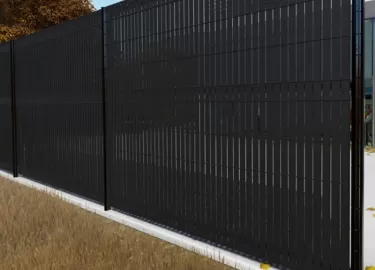
 Modern 3D fence panels represent an innovative solution that balances security, durability, and visual appeal. Employing advanced engineering design principles, these panels effectively address common user pain points regarding safety and aesthetics. Understanding 3D fence engineering not only reveals their structural integrity but also highlights their adaptability to various environments.
Modern 3D fence panels boast several essential features that make them an attractive choice for consumers.
The most common materials used for 3D fence panels include galvanized steel and powder-coated aluminum, each providing robust protection.
These panels are designed in various heights and widths to cater to different applications, from residential to commercial settings.
With multiple color options and contemporary designs, 3D fence panels enhance visual appeal while serving their primary function.
The engineering design of 3D fence panels incorporates advanced principles to ensure robustness and longevity.
Engineers use finite element analysis to predict how fence panels will behave under various loads, ensuring optimal strength.
Galvanization and powder-coating are essential in protecting against environmental factors like rust and corrosion.
Post and rail designs make installation easier and quicker, reducing labor costs and time.
3D fence panels offer numerous benefits that set them apart from traditional fencing solutions.
The design deters climbing and enhances visibility, making it difficult for intruders to breach the perimeter.
Due to their durable materials, maintenance needs are minimized, allowing for cost-effective long-term use.
3D fence panels can be produced with recycled materials, appealing to environmentally conscious consumers.
| Material | Durability | Cost | Aesthetics | Weather Resistance |
|---|---|---|---|---|
| Galvanized Steel | Very High | Medium | Industrial Finish | High |
| Powder-coated Aluminum | High | Higher | Modern Look | Very High |
The journey from concept to reality for 3D fence panels involves several crucial steps.
Choosing the right material impacts not only the performance but also the cost-effectiveness of the final product.
Technical drawings and CAD models are developed for precision manufacturing.
The panels undergo bending and welding processes to achieve the desired shape.
Coating processes like galvanization or powder-coating enhance durability and finish.
Each batch is inspected to meet strict quality standards, ensuring longevity and performance.
Material Selection
Design Engineering
Production
Surface Treatment
Quality Control
Exploring real-world applications illustrates the efficacy and appeal of 3D fence panels.
Homeowners report increased privacy and security after installing 3D panels.
Businesses use 3D fences to protect assets while enhancing the aesthetics of their properties.
3D panels are favored in parks and public spaces as they provide safety without obstructing sightlines.
As technology evolves, the future of 3D fence panels looks promising.
Integration with IoT for security monitoring is becoming more popular.
Research continues into environmentally friendly materials to produce 3D panels.
Innovative technology allows for increased customization with 3D printing possibilities.
In conclusion, understanding the engineering design behind modern 3D fence panels helps consumers make informed decisions. Whether opting for galvanized steel or powder-coated aluminum, choosing a 3D fencing solution ensures security and visual appeal. As the industry continues to develop, these panels will remain a reliable option for consumers worldwide.

Discover the reliability and quality that BONKFC offers in its range of 3D fence panels, designed for excellence and tailored to meet your needs.