Jun. 19, 2026
 When it comes to fencing solutions, understanding the distinction between 2D and 3D mesh fence is crucial for selecting the right option to meet your business or security needs. A 2D mesh fence typically consists of horizontal and vertical wires arranged in a simple grid pattern, while a 3D mesh fence features additional bends in the wire, creating a three-dimensional effect that enhances strength and aesthetic appeal. The value of these fencing types lies in their ability to provide scalable security solutions tailored for residential, commercial, and industrial applications.
Historically, fencing solutions have evolved significantly. In the past, traditional wood and chain-link fences dominated the market due to their accessibility and affordability. However, as security concerns grew and demand for durability increased, the industry embraced galvanized steel and welded wire products. The arrival of 2D and 3D wire mesh technology revolutionized the fencing industry, introducing materials that offer both resilience and versatility. The industry now adheres to several standards, such as ASTM A123 for galvanized steel, ensuring that fences provide the required durability and longevity.
The practical applications of 2D and 3D mesh fences are extensive. For businesses, they offer a method to secure perimeters, protect valuable assets, and deter intruders. Public spaces and parks frequently use these fences due to their balanced aesthetic and functional appeal, blending seamlessly into the environment while providing solid boundary controls. Industrial sites, like factories and warehouses, rely heavily on 3D mesh fencing for its enhanced rigidity and resistance to tampering, making them a superior choice for high-security areas.
Despite their benefits, misconceptions about 2D and 3D mesh fences persist. One common error is assuming that all mesh fences provide the same level of security. In reality, 3D mesh fences include additional features, such as anti-climb profiles and increased visibility, crucial for monitoring and preventing unauthorized access. Furthermore, some believe that 2D fences are a cost-effective substitute for higher-security needs, whereas they may lack the necessary features, ultimately resulting in higher long-term costs due to potential breaches or vandalism.
For illustration, consider a case study involving a large manufacturing facility that opted for 3D mesh fencing with integrated surveillance systems. This particular facility saw a 40% reduction in security breaches within the first year following installation. The strategic decision not only improved safety but also minimized insurance costs and enhanced workflow efficiency due to a secure environment.
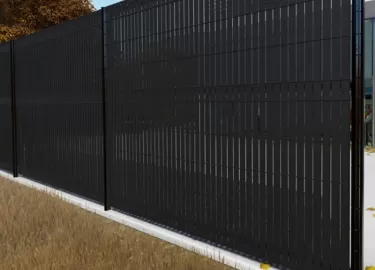
In summary, understanding the difference between 2D and 3D mesh fences is essential for making informed security choices. Investing in 3D mesh solutions can significantly enhance safety and aesthetic appeal for various applications. As businesses face evolving security challenges, turning to high-quality fencing solutions like those offered by BONKFC ensures compliance with standards and longevity, helping you protect your assets effectively. If you’re ready to explore further, consider implementing a tailored fencing solution that meets your specific needs. Visualize your options using this image: BONKFC-fence.com/data/watermark/main/20251219/6944a2218351f.jpg" alt="BONKFC 3D Mesh Fence" />.